


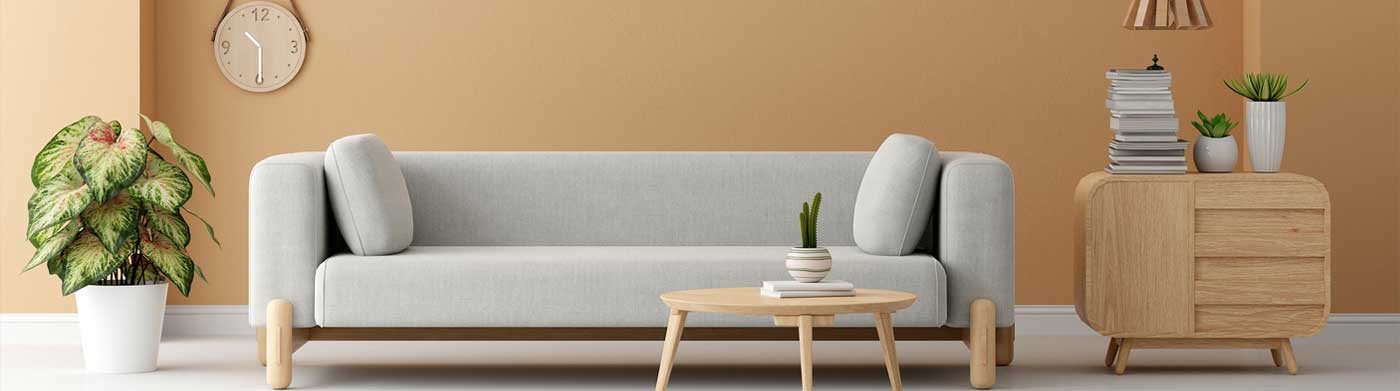
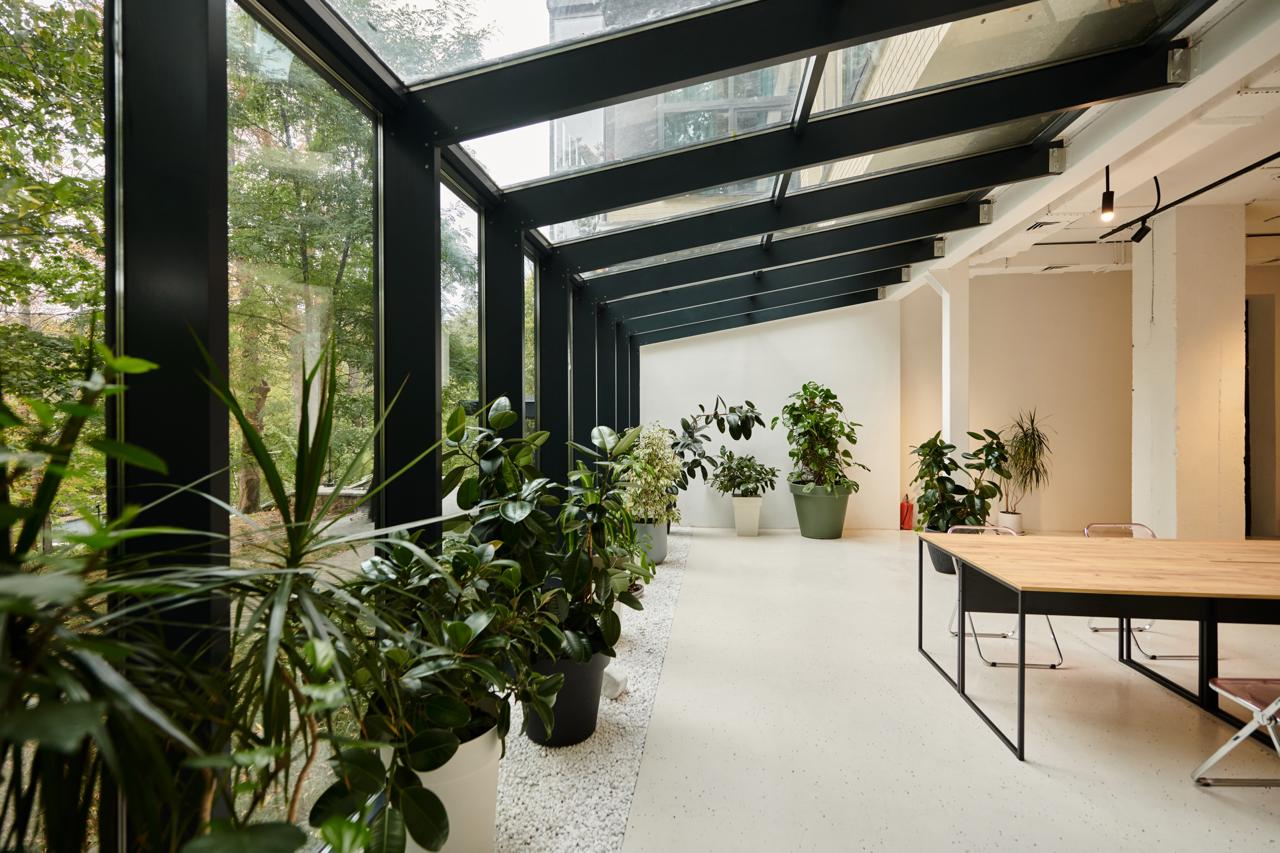
In our fast-paced, technology-driven world, the need to reconnect with nature has become more pressing than ever. Biophilic design offers a solution by integrating natural elements into our built environments, fostering a harmonious relationship between humans and nature. This approach not only enhances the aesthetic appeal of spaces but also promotes well-being, productivity, and sustainability.
What Is Biophilic Design?
Biophilic design is a concept that seeks to connect building occupants more closely to nature. It incorporates elements such as natural light, vegetation, water features, and organic materials into interior spaces. This design philosophy is rooted in the idea that humans have an innate connection to nature, and by bringing natural elements indoors, we can improve our physical and mental health.
Key Elements of Biophilic Design
- Natural Light and Ventilation
Maximizing natural light through large windows, skylights, and open spaces not only reduces energy consumption but also regulates circadian rhythms, enhancing mood and productivity. Proper ventilation ensures a continuous supply of fresh air, contributing to overall health and comfort. - Indoor Plants and Green Walls
Incorporating a variety of plants—ranging from potted greens to vertical gardens—introduces life and color into interiors. Plants improve air quality by filtering pollutants and increase humidity, creating a more comfortable indoor environment. - Natural Materials and Textures
Utilizing materials like wood, stone, bamboo, and rattan adds tactile richness and visual warmth to spaces. These materials evoke a sense of authenticity and connection to the natural world. - Water Features
Incorporating elements such as fountains, aquariums, or indoor ponds introduces the soothing sounds and sights of water, promoting relaxation and tranquility. Water features can also help in regulating indoor humidity levels. - Nature-Inspired Colors and Patterns
Employing color palettes drawn from nature—such as earthy browns, leafy greens, and sky blues—creates a calming atmosphere. Patterns that mimic natural forms, like leaf motifs or wave-like designs, further reinforce the connection to nature.
Benefits of Biophilic Design
- Enhanced Well-being: Exposure to natural elements has been linked to reduced stress, improved mood, and increased overall happiness.
- Increased Productivity: Workspaces that incorporate biophilic elements often see boosts in concentration and efficiency.
- Improved Air Quality: Plants act as natural air purifiers, removing toxins and increasing oxygen levels.
- Aesthetic Appeal: Natural elements add layers of texture and interest, creating visually engaging spaces.
Implementing Biophilic Design in Your Space
- Start Small: Introduce a few plants or natural materials into your space and observe the transformation.
- Maximize Views: Arrange furniture to take advantage of natural vistas or create focal points with indoor greenery.
- Use Natural Patterns: Incorporate patterns and textures that mimic natural forms, such as leaf motifs or wood grain.
- Create Sensory Experiences: Combine visual elements with natural scents, sounds, and textures to engage all senses.
Sustainability and Environmental Stewardship
Biophilic design aligns with principles of sustainability and environmental stewardship. By fostering a deeper connection to nature, individuals may develop a heightened awareness of the environmental impact of their surroundings. This increased awareness can lead to a greater appreciation for sustainable practices and a commitment to preserving the natural world.
The use of sustainable materials, energy-efficient systems, and environmentally conscious design principles are often integral to biophilic design. This holistic approach not only benefits human well-being but also contributes to the broader goal of creating environmentally responsible and resilient communities.
Embracing biophilic design is more than a trend; it’s a return to our roots, fostering spaces that nurture and inspire. By thoughtfully integrating natural elements into our interiors, we create environments that not only look beautiful but also promote health and well-being.
Ready to transform your space with the serenity of nature? Contact us today to explore biophilic design solutions tailored to your needs.
 Previous Post